

The goal of this comprehensive guide is to provide a compassionate, practical, and thorough roadmap for transforming your living space. We will explore how to adapt your home environment, streamline your daily routines, and build a robust network of professional support. By taking proactive, thoughtful steps, you can eliminate the friction points of caregiving, protect your own mental and physical well-being, and build a sanctuary where every single member of your family—regardless of age or ability—can live with maximum dignity, safety, and joy.
1. Embracing Inclusive Meal Prep Strategies

Feeding a multigenerational household requires a thoughtful balancing act between distinct nutritional needs and culinary preferences. Growing children need calorie-dense, vitamin-rich foods to fuel their active days, while older adults or individuals recovering from illness often require targeted nutrition to maintain muscle mass, support bone density, and facilitate cellular healing. When you add specific dietary restrictions, food allergies, or chewing and swallowing difficulties into the mix, meal prep can quickly become a major source of daily stress for parents.
Efficiency in the kitchen is entirely dependent on having the right tools on hand. Utilizing advanced culinary appliances, such as high-powered blenders, commercial-grade food processors, and programmable pressure cookers, can radically cut down on your preparation time. Investing in high-quality cooking equipment allows you to seamlessly shift between whipping up a quick after-school snack for your toddlers and blending a perfectly smooth, vitamin-packed soup for a relative with dysphoria.
When planning your weekly menu, place a heavy emphasis on high-quality, easily digestible proteins that support tissue repair and overall vitality. Incorporating slow-cooked, tender meat into your stews and broths ensures that those with fragile dental health or reduced jaw strength can still enjoy flavorful, protein-rich meals without the risk of choking. By focusing on ingredient versatility and leveraging smart kitchen technology, you can turn mealtime back into a peaceful, connective family ritual rather than a stressful logistical chore.
2. Designing the Ideal Bedroom Sanctuary
A bedroom should be much more than just a place to sleep; it should be a deeply personal sanctuary that promotes emotional peace, physical comfort, and personal dignity. When a family member is dealing with chronic pain, severe mobility limitations, or sensory processing differences, a standard retail bedroom setup is rarely sufficient. Traditional mattresses often fail to provide adequate pressure relief, and standard bed frames can pose significant safety risks, making independent transfers difficult or even dangerous.
To create a truly supportive environment, it is essential to look beyond conventional home furnishings and invest in specialized, medical-grade options. Selecting an adjustable, ergonomic bed for special needs is one of the most impactful upgrades you can make. These specialized sleep systems offer precise positioning to improve circulation, assist with respiratory issues, and facilitate safe transfers, all while preventing painful pressure ulcers for individuals who spend extended periods resting.
Navigating the vast world of specialized medical furniture can feel overwhelming, especially when trying to understand which features are truly necessary for your family’s specific situation. Partnering with reputable, established healthcare equipment suppliers is highly beneficial, as these professionals can guide you through the selection process, help you understand custom specifications, and assist in navigating insurance or waiver coverages.
3. Implementing Advanced Home Mobility Solutions
While basic modifications like removing area rugs and installing secure bathroom grab bars are excellent starting points, households managing profound physical disabilities often require more advanced structural interventions. For rooms with significant level changes or areas where a family member must be frequently transferred from a wheelchair to a bed or toilet, installing a heavy-duty, ceiling-mounted fall arrest system offers an unparalleled level of safety and security. This type of overhead track support significantly reduces the physical strain on parental caregivers during transfers and minimizes the catastrophic risk of accidental drops or slips.
Because every home layout is unique, designing and executing these structural modifications can be highly challenging for a layperson. Seeking an objective, professional evaluation from trusted local home health care can provide immense clarity. These agencies frequently employ specialized occupational therapists who can visit your home, evaluate the specific physical capabilities of your loved ones, and provide a tailored list of structural recommendations to optimize the space for maximum independence and safety.
4. Establishing a Professional Care Network
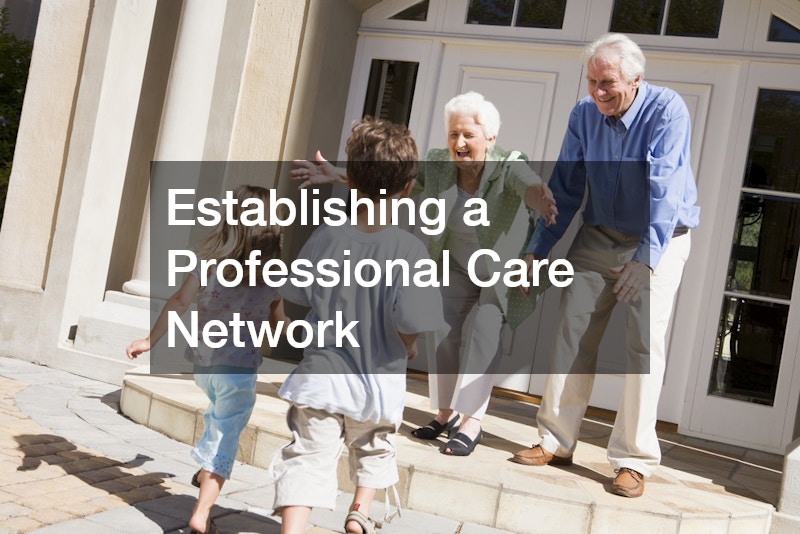
Bringing professional, external support into your private living space is one of the most sustainable gifts you can give your household. Hiring a compassionate, thoroughly vetted professional caregiver to assist with daily hygiene, medication management, or companionship can radically alter the family dynamic for the better. This external support frees you from the exhausting role of a full-time medical attendant, allowing you to step back into your true identity as a loving child, a present spouse, and an attentive parent.
The transition back to a home environment after a major medical event, severe injury, or acute illness is an incredibly fragile period that requires heightened vigilance and coordination. This primary phase of bringing a relative home from a specialized rehabilitation center is precisely when professional home care is most critical. Having an experienced professional present during those initial weeks ensures that discharge instructions are followed precisely, medication schedules are managed flawlessly, and any subtle signs of medical regression are caught early.
5. Integrating Specialized Therapies into the Home
Coordinating care between various medical specialists requires a proactive and organized approach from parents. For family members recovering from orthopedic surgeries, joint replacements, or profound muscle wasting, maintaining a strict regimen prescribed by traditional physical rehabs is vital to rebuilding core strength, expanding range of motion, and restoring balance. Parents can support this by setting up a dedicated, clutter-free corner of the living room with simple exercise mats, resistance bands, and visual charts to make daily exercises accessible and inviting.
When dealing with complex neurological conditions, traumatic brain injuries, or stroke recovery, the therapeutic approach must be highly specialized. Staying tightly aligned with the advanced strategies developed by leading neuro rehabs ensures your family is utilizing the latest principles of neuroplasticity to rebuild broken cognitive and motor pathways. These specialized exercises can often be creatively gamified, allowing children to participate in memory games, speech exercises, or fine-motor challenges with their relatives, turning a clinical chore into a fun, connective family activity.
6. Maximizing Technology for Safety and Peace of Mind
In a bustling multigenerational household, a parent’s attention is constantly pulled in a thousand different directions. Monitoring a toddler playing in the living room while simultaneously ensuring a vulnerable adult is safe in the next room can create an undercurrent of constant, low-grade anxiety. Fortunately, modern smart-home technology offers an array of discrete, highly effective solutions to extend your eyes and ears, giving you peace of mind without invading your family’s privacy.
Implementing a network of smart sensors throughout the home can drastically reduce environmental risks. Motion-activated path lighting installed along hallways and in bathrooms prevents nighttime disorientation and falls, while smart water-leak detectors in bathrooms can alert you if a faucet is accidentally left running. Consider installing subtle bed and chair pressure sensors that send a quiet notification to your smartphone if a high-fall-risk individual attempts to stand up unassisted during the night, allowing you to intervene before an accident happens.
7. Navigating Financial and Legal Preparations

The emotional and physical demands of managing a complex multigenerational household are undeniable, but the financial and legal logistics can often feel equally daunting. Retrofitting a home, securing consistent medical supplies, and hiring external care providers require a significant financial commitment. Without a clear, proactive strategy, these expenses can rapidly deplete a family’s savings and create immense, unnecessary friction between family members.
Begin by conducting a comprehensive audit of all available financial resources, insurance policies, and government assistance programs. Explore whether your loved one qualifies for state waivers, Medicaid long-term care programs, or Veterans Affairs benefits, which frequently offer financial assistance for home modifications and in-home care services. Additionally, look into tax credits and deductions specifically designed for caregivers who claim aging parents or dependents with special needs on their annual returns.
8. Cultivating Emotional Resilience and Self-Care
It is a well-established truth that you cannot pour from an empty cup, yet parental caregivers routinely attempt to do exactly that day after day. When your life is entirely consumed by meeting the endless physical and emotional needs of everyone around you, your own mental health, physical well-being, and personal identity can quickly begin to erode. Neglecting your self-care isn’t just harmful to you; it directly diminishes the quality of care you are capable of providing to your children and relatives.
Cultivating emotional resilience requires a deliberate, daily commitment to your own mental health. Make it a non-negotiable priority to step away from your caregiving duties for at least a brief period each day, even if it is just a fifteen-minute walk alone, a quiet cup of coffee in the morning, or a dedicated reading session before bed. Treat these moments of respite not as a luxury or an afterthought, but as a vital medical necessity required to maintain your psychological balance.
9. Fostering Intergenerational Connection and Joy
While the logistical and medical aspects of multigenerational living require immense focus, it is vital not to let the clinical needs overshadow the beautiful human relationships at the heart of your home. The ultimate goal of creating an accessible, safe environment is to facilitate deep, meaningful connections between the different generations living under your roof. Children and elders have a unique, almost magical capacity to enrich each other’s lives when given the space and opportunity to interact.
Design deliberate opportunities for shared activities that naturally accommodate everyone’s varying physical and cognitive abilities. Simple, low-stress rituals like family storytelling sessions, listening to classic music albums together, or working on collaborative arts and crafts projects can bridge wide age gaps beautifully. Gardening in raised beds or container gardens is another wonderful, accessible activity that allows seniors and young children to work side-by-side, fostering a sense of shared purpose and accomplishment.
Encourage your children to actively participate in small, age-appropriate aspects of their relatives’ care, such as bringing them a glass of water, reading them a favorite story, or helping to pick out their outfit for the day. These small acts of service normalize disability and aging for children, stripping away any fear or awkwardness and instilling a deep, lifelong sense of compassion, responsibility, and familial loyalty.
10. Planning for Future Transitions and Long-Term Continuity

A truly progressive approach to family caregiving requires a realistic, long-term perspective that acknowledges that your family’s needs will inevitably evolve over time. Children will grow larger and more independent, aging parents may face progressive cognitive or physical declines, and your own physical capacities as a caregiver will change as the years pass. A home care plan that works perfectly today may become completely unsustainable three, five, or ten years down the road.
Periodically re-evaluate your living arrangements, medical setups, and support systems to ensure they are keeping pace with your family’s changing reality. Schedule an annual or semi-annual review of your home’s accessibility features, your financial projections, and the health status of your loved ones. Being proactive rather than reactive allows you to anticipate future needs, giving you ample time to research alternative options, fundraise for larger home renovations, or source specialized equipment before a crisis occurs.
It is also vital to have open, courageous conversations about what steps will be taken if your relative’s medical needs eventually exceed what can be safely or humanely managed within the home. Researching high-quality assisted living facilities, specialized memory care units, or long-term residential care options in advance does not mean you are giving up or failing. Rather, it ensures that if a transition ever becomes necessary for the safety and well-being of your relative or your children, it can be executed smoothly, thoughtfully, and with absolute dignity.
As you move forward, extend immense grace to yourself. Celebrate the small victories—the peaceful family meal, the successful physical therapy session, the shared laugh between a grandchild and a grandparent. Remember that you do not have to achieve a flawless balance every single day to be an incredible parent and a devoted caregiver. By proactively designing a safe, supportive, and compassionate home, you are doing more than just managing a complex household; you are cultivating a beautiful, enduring legacy of inclusive love that will shape your family for generations to come.