
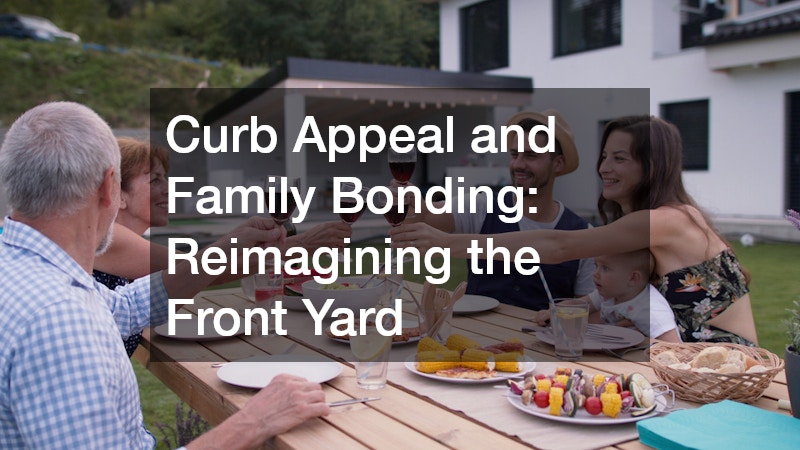
For decades, the American dream was architecturally designed to face backward. We built tall fences, retreated to secluded patios, and treated the front yard as a mere transition zone—a patch of grass to be mowed, a driveway to be parked on, and a facade to be kept tidy for the neighbors. However, a profound shift is occurring in how we view our property lines. The front yard is being reclaimed as a social frontier, a place where curb appeal meets community, and where the aesthetics of a house transform into the heartbeat of a family.
Reimagining this space is about more than just planting marigolds. it is about intentionality. When we shift our focus to the front of the home, we open ourselves up to spontaneous social interactions, safer play environments for children, and a renewed sense of pride in our surroundings. This long-form exploration will guide you through the process of turning your front yard into a sanctuary for bonding, proving that the most valuable square footage you own might be the land you usually just walk across to get to your car.
Collaborative Design: Planning for Every Generation
The most successful outdoor transformations begin with a family meeting. Before a single shovel hits the dirt, it is essential to harmonize the needs of toddlers, teenagers, and adults. A front yard should be a multi-generational landscape that serves as a quiet retreat for morning coffee and a vibrant zone for afternoon activity.
Auditing Your Space for Shared Interests
When considering a comprehensive home remodel, the exterior often gets relegated to the final phase. However, integrating the yard into the initial planning ensures that the indoor-outdoor flow feels seamless. Start by mapping out “activity nodes.” Perhaps the area under the large oak tree is perfect for a stone seating circle, while the flat expanse near the sidewalk is better suited for active play.
The Toddler Zone: Soft-surface areas or sensory gardens with non-toxic plants like lavender and lamb’s ear.
The Teen Hangout: Strategic lighting and comfortable, durable seating away from the main entrance.
The Adult Retreat: Small “perch” patios that allow parents to supervise play while enjoying a book.
Financial and Long-Term Value Planning
While the emotional benefits of a beautiful yard are immediate, the financial implications are significant. In the world of real estate, the first impression is often the only impression. A well-executed front yard redesign can increase a property’s value by a substantial percentage, often providing a higher return on investment than a kitchen or bathroom update. By focusing on “livable curb appeal,” you are essentially marketing a lifestyle to future buyers while enjoying that very lifestyle yourself in the present.
Sustainable Foundations: Tech and Maintenance as a Team Effort
A common barrier to front yard activation is the “chore factor.” If a yard requires four hours of weeding and watering every weekend, it becomes a source of resentment rather than a site for bonding. The key is to implement smart systems that handle the heavy lifting.
Smart Watering Systems for the Busy Family
The days of standing in the yard with a manual hose for an hour are over. Modern landscaping relies on precision. Investing in professional lawn irrigation installation ensures that your grass and garden beds receive the exact amount of moisture they need based on real-time weather data. This not only conserves water but also frees up your Saturday mornings for family bike rides or neighborhood walks.
Drip Irrigation: Best for flower beds and shrubs to prevent evaporation.
Smart Controllers: Systems that sync with your smartphone and automatically skip cycles during rainstorms.
Zoned Watering: Ensuring that the high-traffic play grass gets more hydration than the drought-resistant ornamental grasses.
Teaching Responsibility through Tech
Involving children in the maintenance of these systems can be a powerful teaching tool. Showing them how the sensors work or letting them help program the “smart” features gamifies the gardening experience. It moves the conversation from “Go pull weeds” to “Let’s check the soil health on the app,” fostering a sense of stewardship over the family’s shared environment.
The Active Front Yard: Promoting Physical Wellness

If the backyard is for private relaxation, the front yard is the arena. By bringing activity to the front, you encourage your children to engage with the world rather than retreating into digital silos. This visibility also contributes to a safer neighborhood, as “eyes on the street” naturally discourage unsafe driving and unwanted activity.
Designing Multipurpose Recreational Zones
You don’t have to sacrifice elegance for activity. Modern outdoor equipment is designed to be as visually appealing as it is functional. By choosing premium athletic goods, such as glass-backboard basketball systems or minimalist soccer goals that can be easily tucked away, you maintain the home’s sophisticated look while providing the tools for physical development.
Mobile Play: Use heavy-duty storage benches to hide balls, bats, and rackets, keeping the lawn clutter-free.
Skill Stations: Small, paved areas can double as yoga spots or places for children to practice balance bikes.
Landscape as a Stress Reliever
The impact of green space on mental health cannot be overstated. Studies consistently show that families who spend time together in nature experience lower cortisol levels and improved communication. By creating a “front porch culture,” you provide a low-pressure environment for teenagers to talk to parents or for couples to decompress after work. The simple act of watching the sunset from the front steps can become a cherished daily ritual that anchors the family’s emotional well-being.
Functional Aesthetics: Powering the Outdoor Lifestyle
To truly live in the front yard, you need the same comforts you have indoors: warmth, light, and the ability to cook or entertain. This requires a smart approach to utility management that doesn’t disrupt the visual harmony of your landscaping.
Hidden Utilities and Seamless Power
Nothing ruins curb appeal faster than an exposed, rusted fuel tank or a tangle of wires. However, these elements are necessary for the fire pits and outdoor heaters that extend the “bonding season” into autumn and winter. The solution lies in creative camouflaging. Placing your propane tank behind a decorative stone wall, a custom-built wooden enclosure, or a cluster of evergreen shrubs keeps the utility accessible but invisible.
Ensuring Uninterrupted Family Gatherings
Reliability is the backbone of a good host. If you are planning to host neighborhood “driveway happy hours” or family s’mores nights, you need a consistent energy source. Establishing a professional propane service ensures that you never run out of fuel mid-event.
Safety First: Professional technicians can ensure all lines are buried deeply and safely away from play areas.
Automatic Refills: Many providers offer “no-worry” scheduling so the focus remains on the family, not the fuel level.
Versatility: Beyond fire pits, this power source can run outdoor lanterns that give the home a warm, inviting glow at night.
Structural Integrity: Creating the “Welcome Mat”
The “hard” elements of your yard—the driveway, the walkways, and the porch—act as the bones of your design. If these are crumbling or poorly planned, no amount of flowers will fix the vibe.
Leveling the Ground for Safety and Style
Before any aesthetic work begins, you must address the topography of the land. Poor drainage can lead to muddy patches where grass won’t grow, or worse, water flowing toward your foundation. Professional driveway grading is a critical step in any front-yard overhaul. By ensuring the land slopes correctly, you create a dry, usable surface for kids to draw with chalk or for grandparents to walk safely without fear of tripping on uneven patches.
Transitioning from Street to Seat
The porch is the ultimate bridge between the private and public spheres. If your home lacks a substantial entryway, hiring experienced deck builders can transform a cramped stoop into a wide, inviting veranda.
Material Choice: Use composite materials for low maintenance or cedar for a classic, warm look.
Built-in Seating: Benches integrated into the railing maximize space and provide permanent spots for conversation.
Width Matters: Ensure the “landing” is at least six feet deep to allow for furniture and easy movement.
Durable Surfaces for All-Weather Play

The driveway is often the largest single feature of a front yard, yet it is frequently the most overlooked. Rather than seeing it as a utilitarian slab of concrete, view it as a multi-use plaza.
Choosing Materials That Last
The surface you choose dictates the types of activities your family can enjoy. For families with young children, a smooth, non-abrasive surface is vital for scraped knees and easy rolling. High-quality driveway paving provides a consistent, durable floor for everything from birthday parties to car-washing sessions.
Permeable Pavers: An eco-friendly option that allows rain to soak through, reducing runoff.
Stamped Concrete: Offers the look of stone with the smoothness of a single slab.
Asphalt: A cost-effective, classic choice that absorbs heat in the winter, helping snow melt faster for safer play.
Lighting and Safety
Safety is the silent partner of curb appeal. A well-lit front yard allows family bonding to continue long after the sun goes down. Use a mix of:
Path Lights: To define the edges of the driveway and walkways.
Uplighting: To highlight architectural features or majestic trees.
Motion Sensors: For security, ensuring the yard is bright whenever someone approaches.
The Art of “Softscaping”: Planting for Connection
Once the hard structures and utilities are in place, the greenery brings the soul to the project. The goal here is “interactivity.” You want plants that people want to touch, smell, and perhaps even eat.
Edible Front Yards
The trend of “foodscaping” involves replacing ornamental-only bushes with berry bushes, fruit trees, or herb borders. This turns a walk to the mailbox into a quick foraging trip for the kids. It’s an educational opportunity to discuss where food comes from and a way to share a literal harvest with the neighbors.
Blueberry Hedges: Beautiful fall color and delicious summer fruit.
Rosemary Borders: Fragrant, hardy, and useful in the kitchen.
Dwarf Apple Trees: Provide structure and scale without overwhelming a small yard.
Low-Maintenance Beauty
To keep the “bonding” time high and the “working” time low, choose native plants. Native species are already adapted to your local climate and soil, meaning they require less fertilizer and supplemental watering. This sustainable approach ensures that your curb appeal remains high even during the hottest months of the year, providing a lush backdrop for family photos and afternoon loungers.
Cultivating Community through Design
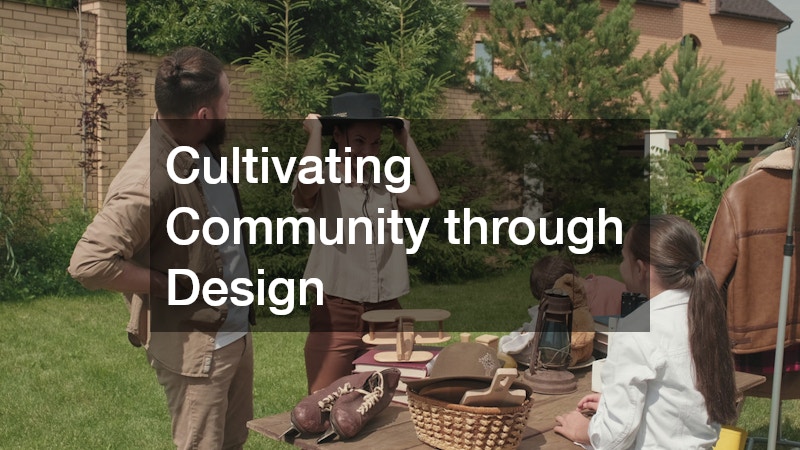
The ultimate goal of reimagining the front yard is to break down the invisible walls between us and our neighbors. In an era where many people don’t know the names of the families living three doors down, the front yard serves as a social lubricant.
The Power of the “Front Yard Chair”
Simply placing two comfortable chairs facing the street is a radical act of hospitality. it signals that you are available for a chat. It invites the elderly neighbor to stop during their walk and allows you to keep a pulse on the neighborhood. These micro-interactions, over time, build the “social capital” that makes a neighborhood feel like a community.
Hosting Front Yard Events
Once your space is reimagined, use it!
Driveway Movie Nights: Project a film onto the garage door and invite the kids from the block.
Seasonal Decorating: Make the front yard a holiday destination, involving the whole family in stringing lights or carving pumpkins.
The “Little Free Library”: Install a book exchange box near the sidewalk to encourage literacy and neighborly sharing.
The journey of reimagining your front yard is a marathon, not a sprint. It begins with a vision of connection and evolves through the seasons as your family grows. By investing in the structural integrity, the recreational potential, and the aesthetic beauty of your home’s “face,” you are doing much more than improving a piece of property. You are creating a theater for the small, everyday moments that define a childhood and sustain a marriage.
A front yard that fosters bonding is a gift to your family and your neighborhood. It says that your home is not a fortress, but a hub of activity and warmth. Whether it’s the quiet satisfaction of a perfectly graded driveway, the joy of a game played on a smooth paved surface, or the glow of a fire pit on a crisp evening, these improvements pay dividends in the form of memories. When we open our front yards, we open our lives, proving that the best place to be is exactly where you are—surrounded by the people you love, in a space that was built for togetherness.