

Children grow through thousands of small experiences. The conversations they hear at breakfast, the responsibilities they practice after school, the way adults respond to mistakes, and the routines surrounding sleep and play can all shape how they view themselves and the world.
A growth-supportive family lifestyle does not require an expensive schedule filled with classes, outings, and educational products. In fact, children often benefit most from a balance of predictable structure, meaningful family time, physical activity, rest, and room to make independent choices. The objective is not to keep children constantly busy. It is to create an environment where they feel secure enough to explore, make mistakes, ask questions, and try again.
Create Predictable Rhythms for Learning and Security

Young children generally feel more secure when they have a basic sense of what will happen next. Predictable routines can make mornings, meals, transitions, and bedtimes less overwhelming while also helping children develop independence.
Formal early education can also become part of this dependable rhythm. The benefits of preschool extend beyond learning letters, numbers, and colors. A strong program gives children opportunities to communicate with peers, follow group directions, solve problems, regulate emotions, and complete tasks with less direct help from a parent.
When evaluating programs, pay attention to how learning actually happens. A classroom filled with worksheets is not necessarily more educational than one where children build, paint, tell stories, explore nature, and participate in imaginative play. Ask how teachers encourage curiosity, respond to conflict, and adapt activities for different learning styles.
Quality daycare centers can provide many of the same developmental opportunities when they combine responsive caregiving with age-appropriate play and consistent routines. Parents should look beyond attractive facilities and ask practical questions.
Make Preventive Care Familiar Instead of Frightening
Children often form attitudes toward healthcare based on their earliest experiences. When routine appointments are presented as a normal part of caring for the body, children may be less likely to associate them only with illness, pain, or fear.
Preparation should be honest but simple. Avoid promising that an appointment will not hurt or describing every possible procedure in advance. Instead, explain what the child is likely to see, hear, or do. Pretend play with a stuffed animal can make unfamiliar steps feel more predictable.
A first visit to a dentists office is usually easier when it happens before there is an urgent problem. Children can become familiar with the chair, lights, sounds, and staff without also coping with a painful tooth or unexpected treatment.
Parents can make appointments more manageable by:
- Choosing a time when the child is usually rested
- Providing a light meal beforehand when appropriate
- Bringing a comfort item if the practice permits it
- Using calm, neutral language
- Allowing the care team to explain equipment
- Praising effort rather than demanding perfect behavior
Consider whether a family dentist is comfortable treating children and able to adjust the experience for anxiety, sensory sensitivities, or developmental differences. Some children need extra time, quieter surroundings, shorter appointments, or a gradual introduction to treatment.
Daily habits matter just as much as appointments. Parents can brush alongside younger children, supervise until they have the coordination to clean effectively, offer water between meals, and reduce frequent snacking on sugary or sticky foods.
Choose Activities That Develop More Than Athletic Skill
Physical activity supports strength, coordination, sleep, and cardiovascular health, but it can also teach patience, confidence, teamwork, and emotional control. The best activity is not necessarily the most competitive or prestigious. It is one that matches the child’s interests, temperament, and developmental readiness.
Before enrolling, observe a class or practice. Notice whether instructors explain skills clearly, respond respectfully to mistakes, and keep children engaged without humiliating or frightening them. A child who feels safe is more likely to take healthy risks and continue practicing difficult skills.
Karate classes for kids may provide structured opportunities to work on listening, coordination, focus, self-control, and goal setting. However, parents should evaluate the culture of the program rather than assuming every martial arts school teaches in the same way. Ask how instructors handle discipline, physical contact, injuries, and children who need additional support.
Safety equipment is also part of an active lifestyle. Helmets should fit correctly, remain securely fastened, and be replaced after significant impacts or according to manufacturer guidance. Children may be more interested in wearing protective equipment when they are allowed to personalize it.
Helmet decal kits can add character to biking, skating, or sports gear, but parents should use them carefully. Decorations should not cover cracks, vents, expiration information, safety labels, or areas that need to be inspected. Adhesives may also affect some materials, so checking the helmet manufacturer’s instructions is important.
Design Outdoor Recreation Around Realistic Family Needs
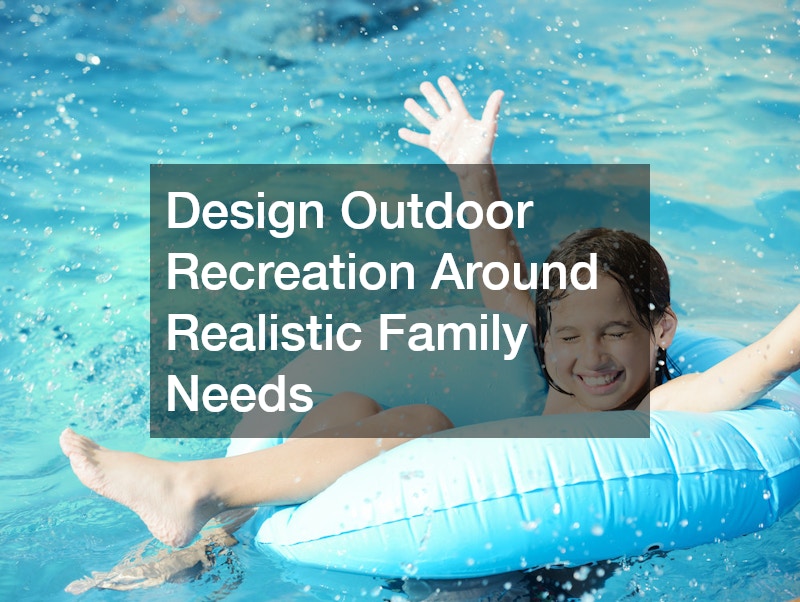
A backyard can become a valuable place for movement, imaginative play, family connection, and relief from screens. Before making a major improvement, consider how the space will actually be used rather than designing around an idealized version of family life.
Swimming pool installation is a substantial decision that involves more than choosing a shape and finish. Families should evaluate the available yard space, drainage, permits, insurance requirements, maintenance expenses, fencing rules, accessibility, and long-term use.
Parents should also consider whether they are prepared for the ongoing responsibilities. Water chemistry, cleaning, equipment repairs, seasonal care, and higher utility costs can continue for years after construction.
Safety should be built into the design from the beginning. Important protections may include:
- A four-sided isolation fence
- Self-closing and self-latching gates
- Door, gate, or water-entry alarms
- A secure cover
- Clearly visible depth markings
- Slip-resistant surfaces
- Rescue equipment stored nearby
- Unobstructed sightlines from seating areas
No device replaces active supervision. During parties or family gatherings, assign one responsible adult as the designated water watcher. That person should not be cooking, reading, drinking alcohol, or using a phone while supervising.
Swimming lessons can improve skills and confidence, but they do not make a child drown-proof. Inflatable toys and flotation devices also should not be treated as substitutes for direct attention.
A permanent pool is not the only way to encourage water play. Sprinklers, community pools, splash pads, water tables, and supervised backyard games may provide much of the same enjoyment with fewer long-term costs. The right choice is the one that fits the family’s budget, available time, property, and ability to maintain consistent safety practices.
Treat Rest and Responsibility as Essential Skills
Growth does not happen only during lessons, sports, or active play. Children also need adequate sleep, recovery time, and an orderly environment that helps them settle down.
A consistent bedtime routine signals that the day is ending. The process does not have to be elaborate, but completing the same few steps in the same general order can reduce resistance.
A routine might include:
- Putting away toys
- Taking a bath or washing up
- Brushing teeth
- Choosing clothing for the next day
- Reading together
- Dimming lights and reducing noise
Screens can interfere with the transition to sleep, especially when content is exciting or emotionally intense. Families may benefit from creating a charging area outside bedrooms and ending device use before the bedtime routine begins.
A comfortable sleeping environment matters, too. Bedrooms do not need to be perfectly decorated or spotless, but children should have a clear place to sleep and simple systems for managing possessions. Too many toys, bright lights, or constant background media can make winding down more difficult.
Children can participate in maintaining their rooms. Depending on age, they might put books on a shelf, place clothing in a hamper, straighten pillows, or help change sheets. These tasks teach that caring for a shared home is a normal family responsibility rather than a punishment.
Professional comforter cleaning may be useful when bedding is too bulky for a household washer, contains delicate materials, has difficult stains, or comes with restrictive care instructions. Always check labels before placing large bedding in a washer or dryer. An item that cannot move freely may not clean or dry properly.
To support a healthier sleeping area:
- Wash sheets on a regular schedule
- Keep food and drinks out of beds
- Dry all bedding completely
- Vacuum floors and mattress surfaces
- Address leaks and moisture promptly
- Reduce clutter that collects dust
The goal is not to create a showroom. It is to give children a calm space and teach them that rest and household care are both important parts of well-being.
Use Meals to Strengthen Connection and Social Confidence
Shared meals give family members a natural opportunity to slow down and talk. They can support language, manners, cultural curiosity, and emotional connection even when the food itself is simple.
Families do not need to eat together every evening for meals to be meaningful. A consistent weekend breakfast, several dinners each week, or a regular after-school snack can become a dependable point of connection.
Open-ended questions often lead to richer conversations than asking, “How was your day?” Try prompts such as:
- What made you laugh today?
- What was harder than you expected?
- Did anyone help you?
- What is something you figured out?
- What are you excited about tomorrow?
Eating away from home can also help children practice communication and patience. Visits to local restaurants create opportunities to read menus, order politely, wait for food, handle small disappointments, and interact respectfully with workers.
Prepare children before arriving. Explain how long the meal may take, what behavior is expected, and what they can do while waiting. Choosing a time that does not conflict with naps or bedtime can also prevent avoidable stress.
A pasta restaurant can be a comfortable place to introduce variety because many children recognize at least one item on the menu. Parents might order a familiar dish along with a new sauce, vegetable, or shared appetizer. Offering a small amount reduces pressure and food waste.
Protect Time for Creativity and Independent Problem-Solving
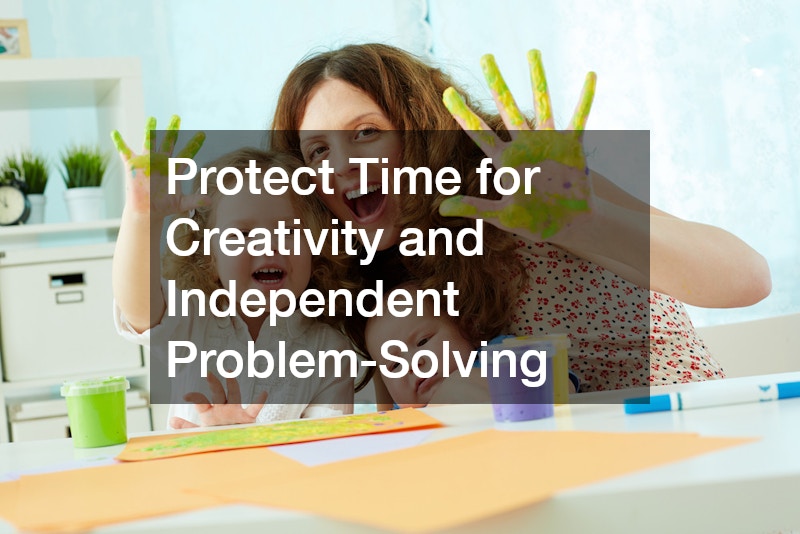
A child’s schedule does not need to be full for the child to be developing. Unstructured time allows children to follow their interests, invent games, become absorbed in projects, and learn what to do when entertainment is not immediately provided.
Boredom is not always a problem that parents must solve. When children have access to safe materials and reasonable choices, boredom can become the starting point for creativity.
Parents can support independence by making supplies accessible and establishing clear cleanup expectations. Instead of directing the entire activity, offer limited choices: “Would you rather build something or go outside?” This provides structure while still allowing the child to decide.
Children also need opportunities to experience manageable frustration. When adults immediately fix a broken project, settle every disagreement, or provide the correct answer, children lose a chance to practice persistence.
Supportive responses might include:
- “What have you tried so far?”
- “What part is giving you trouble?”
- “Is there another way you could do it?”
- “Would you like a hint or more time?”
Age-appropriate responsibilities can strengthen the same skills. Packing a backpack, choosing clothing, preparing a simple snack, feeding a pet, or tracking a small allowance gives children real chances to plan and solve problems.
Independence should grow gradually within clear boundaries. The goal is not to withdraw support, but to offer only as much help as the child genuinely needs.
Reevaluate Commitments as the Family Changes

A routine that worked six months ago may stop working as children grow, school schedules shift, or work demands change. Families benefit from periodically reviewing how their time and energy are being used.
Every few months, discuss what feels helpful and what feels unnecessarily stressful. Consider sleep, school, activities, meals, transportation, screen habits, household responsibilities, and one-on-one family time.
Useful questions include:
- Does everyone have enough time to rest?
- Are mornings consistently chaotic?
- Is one activity creating repeated conflict?
- Does each child have some unstructured time?
- Are adults taking on tasks children could begin doing?
- Is the family spending beyond its comfortable budget?
- Are weekends restorative or exhausting?
Children can contribute to these discussions, although parents should maintain appropriate adult boundaries. A child may explain that an activity is no longer enjoyable, but the final decision still belongs to the adults.
Periods involving illness, travel, a new sibling, school changes, or demanding work schedules may require temporarily lowering expectations. A simplified routine is not a failure. It is an adjustment to the family’s current capacity.
Success should not be measured by how many activities fit into a week. A sustainable lifestyle leaves enough energy for children and adults to connect, recover, and enjoy one another.
A family lifestyle that encourages growth is built through consistent, ordinary choices. Predictable routines create security, preventive care supports health, physical movement develops confidence, and shared meals strengthen relationships. Rest, responsibility, and independent play are just as important as structured learning.
What matters most is that children feel safe, supported, and capable of learning. When everyday family life gives them room to ask questions, practice skills, recover from mistakes, and contribute meaningfully, growth becomes an ongoing part of the home rather than another item on the schedule.