
Maintaining a home requires consistent effort and foresight. Every home relies on complex systems working together to keep indoor spaces comfortable, safe, and efficient year after year. While day-to-day cleaning and simple surface repairs keep living areas looking their best, the fundamental infrastructure of your house demands regular preventative attention. Scheduling key maintenance tasks on an annual basis prevents unexpected equipment failures, preserves property value, and ensures that your living space remains a welcoming sanctuary regardless of extreme weather outside.
Taking a proactive approach to home care allows homeowners to spot small issues before they escalate into costly emergency repairs. Annual checkups create a predictable maintenance calendar that eliminates guesswork and spreads upkeep tasks logically across the four seasons. By establishing a routine, you protect your structural investment, improve energy efficiency, reduce utility bills, and gain invaluable peace of mind knowing that critical systems are operating smoothly and reliably.
Roof and Exterior Shell Upkeep
Exterior Wall Inspections and Moisture Management
The exterior building envelope serves as the primary barrier against heavy rain, snow, winds, and fluctuating temperatures. Over the course of twelve months, thermal expansion and contraction can cause small hairline fissures to open up along stone facades, brick mortar joints, or exterior wall cladding. Water that enters these cracks can freeze during winter months, causing structural degradation, interior drywall damage, and hidden mold growth behind exterior walls.
Inspecting exterior masonry, siding, and foundation perimeters annually helps preserve the structural integrity of your home. Homeowners should walk around the house twice a year, examining the condition of mortar joints, stone trim, and foundation walls. If you spot crumbly mortar, loose bricks, or deteriorating joints along your brickwork or foundation, contracting a qualified masonry company is essential to repoint mortar and seal exterior surfaces before water intrusion creates foundation settling or interior moisture issues.
Roof Envelope and Drainage Care
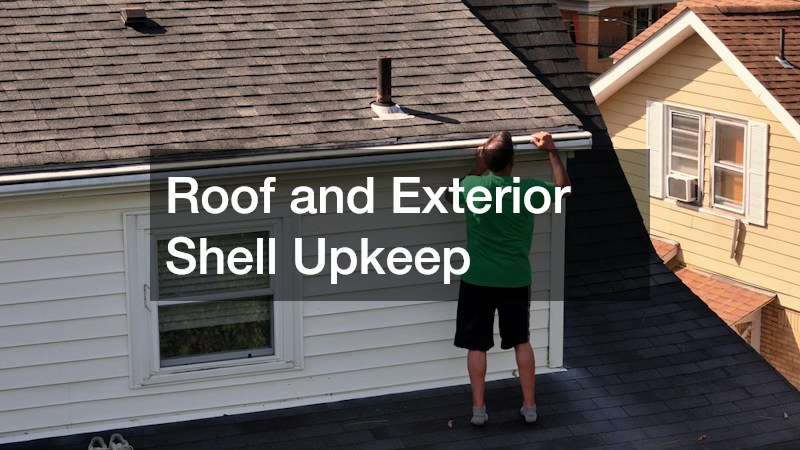
Your roof bears the brunt of environmental exposure, collecting falling leaves, twigs, ice, and debris throughout the calendar year. Clogged water management systems prevent rain from shedding properly off the roofline, leading to standing water along fascia boards, damaged soffits, and potential basement flooding. Keeping water flowing away from your foundation is one of the single most effective ways to preserve residential structural integrity.
An annual clear-out of roof gutters and downspouts should be paired with a thorough check for physical wear and tear. Search for loose brackets, leaking seams, improper pitch, or pulling away along the roofline, as prompt gutter repair will ensure heavy downpours are directed safely away from your foundation, landscaping, and basement walls. Additionally, inspect flashing around chimneys, skylights, and vent pipes to catch deteriorated sealant before leaks reach your ceilings.
Chimney and Heating Performance

Safe Operation of Fuel-Burning Systems
Fireplaces, wood stoves, and secondary heating units provide warmth and ambient comfort during cold months, but they also generate dangerous combustion byproducts if improperly maintained. Burning wood or organic fuel creates creosote—a highly flammable tar-like residue that accumulates on the interior walls of flues and chimneys. Left uncleaned, thick creosote deposits can easily ignite, causing destructive flue fires or blocking ventilation gases like carbon monoxide from safely exiting your home.
Annual service ensures that venting flues remain unobstructed by soot, bird nests, or structural debris. Enlisting a certified technician for chimney cleaning prior to the winter heating season removes creosote accumulation, verifies the mechanical operation of dampers, and checks chimney caps for corrosion. Professional inspectors also evaluate internal flue liners for hidden cracks or missing mortar that could allow toxic gas or heat to transfer directly into neighboring wall framing.
Auxiliary Power and Secondary Heating Units
Many homes depend on secondary fuel-powered engines, auxiliary heating units, or standby power generators to maintain heat and electricity during severe winter storms. These specialized units often sit idle for months at a time, making annual mechanical checkups critical before severe weather arrives. Fuel degrades over time, batteries lose charge, and mechanical components can seize or corrode when left inactive in storage or outdoor enclosures.
If your home relies on auxiliary power units or specialized heating rigs, schedule professional APU repair and maintenance ahead of the cold season to test battery health, replace engine filters, clean fuel injectors, and update mechanical seals. Running full test cycles under simulated load conditions confirms that emergency power or auxiliary heat will activate automatically when primary electrical grids fail, keeping interior spaces warm and preventing frozen water lines.
Climate Control and Air Quality

Optimizing Cooling Performance
Modern central air conditioning systems work hard throughout spring and summer to maintain stable indoor temperatures and moderate humidity levels. Over months of operation, dust, pollen, outdoor debris, and grass clippings accumulate on exterior condenser coils, while interior evaporator coils gather dust that bypasses air filtration. Dirt buildup restricts airflow, forcing the compressor to run longer cycles, consume excessive electricity, and suffer premature mechanical failure.
Scheduling comprehensive spring ac maintenance allows HVAC professionals to flush drain lines, verify refrigerant charge levels, inspect electrical connections, clean condenser fins, and lubricate motor bearings. Beyond protecting mechanical components, a clean air conditioner maintains crisp indoor air quality, lowers monthly cooling costs, and prevents unexpected operational breakdowns during the hottest weeks of midsummer.
Air Filtration and Duct System Care
In addition to outdoor condensing unit care, the indoor ductwork and air filtration system require annual review to ensure clean airflow throughout living quarters. Air filters should be checked regularly, but an annual inspection of the primary ductwork trunk lines can reveal loose duct joints, disconnected flexible ducting, or excessive dust accumulation that degrades indoor air quality.
Inspecting supply vents and return grilles ensures that airflow remains balanced across all floors of your home. Damaged ductwork in unconditioned spaces like attics or crawlspaces can lose a significant percentage of conditioned air, leading to uneven room temperatures and elevated utility bills. Sealing duct leaks with specialized mastic or foil tape keeps warm or cool air flowing directly into living spaces where it belongs.
Private Well Systems and Water Supply

Maintaining Well Function and Mechanical Components
For homeowners relying on private ground water supplies, maintaining water infrastructure is critical for daily comfort, sanitation, and health. Private well systems operate continuously behind the scenes, pumping groundwater from deep aquifers into pressurized home distribution tanks. Because well systems operate automatically, mechanical wear on underground components often goes unnoticed until water pressure drops suddenly or water supply cuts out entirely.
An annual checkup of your water infrastructure should include testing pressure tank diaphragms, inspecting electrical pressure switches, and verifying pump cycling frequency. Engaging certified professionals for regular well services ensures that mechanical components are operating within correct voltage and pressure ranges, identifying worn bearings, leaking check valves, or failing pressure tanks before complete water loss occurs.
Water Quality and Underground Equipment
Groundwater quality can shift over time due to seasonal runoff, agricultural activity, mineral shifts, or aging well casing seals. Annual water quality testing checks for harmful bacteria, nitrates, excessive mineral content, and heavy metals that affect taste, plumbing fixtures, and health. Additionally, evaluating the structural health of underground well equipment prevents unexpected contamination and pump failure.
Comprehensive maintenance includes pulling physical pump records, inspecting sanitary well caps, and checking the performance of well pump systems to confirm flow rates and water recovery speed. If aging wells experience severe drop-offs in water flow or continuous sediment infiltration, consulting local well drilling companies can help evaluate whether deepening an existing casing, installing secondary filtration, or drilling a new supplemental well is necessary to secure a reliable water supply.
Waste System Efficiency and Sanitation
Septic Tank Care and Pumping Schedules
Homes utilizing private subterranean wastewater systems rely on natural bacterial action to break down household waste into sludge, scum, and liquid effluent. Over time, non-biodegradable solids and heavy sludge settle at the bottom of the main containment tank. If sludge levels rise too high, solid waste escapes into the downstream drainfield, clogging soil pipes, saturating disposal fields, and causing severe environmental and financial damage.
Having a certified technician measure solid accumulation levels in your tank once a year ensures that your disposal system functions correctly without backing up into home plumbing fixtures. Arranging timely septic tank pumping based on household size and tank capacity clears accumulated solids, prevents system overflows, and extends the operational lifespan of expensive drainfields by many years.
Professional Inspections and Drainfield Health
Beyond routine sludge removal, the mechanical and biological components of your septic system require periodic inspection to prevent quiet failures underground. Effluent filters, baffles, distribution boxes, and riser lids are exposed to corrosive gases and moisture, which can cause plastic or concrete components to degrade over time.
Booking an annual septic service allows technicians to inspect inlet and outlet baffles, clean accessible effluent filters, check distribution boxes for equal water flow, and assess the drainfield area for signs of surfacing liquid or unusual vegetation growth. Early detection of failing baffles or uneven liquid distribution keeps raw sewage safely contained and preserves soil absorption capacity.
Interior Utility Infrastructure
Plumbing Hardware and Safety Valves
While main sewer and water supply systems handle large volume flows, the network of supply lines, valves, and fixtures inside your house requires systematic annual oversight. Small drips from shutoff valves, slow-leaking toilets, and subtle pinhole leaks in exposed basement piping can waste thousands of gallons of water annually while causing silent structural rotting beneath flooring.
An annual plumbing walk-through should involve testing main water shutoff valves, inspecting flexible appliance hoses under sinks and behind washing machines, and checking water heater relief valves. Rubber washing machine hoses should be replaced every few years or upgraded to braided stainless steel to avoid catastrophic bursts. Draining sediment from the bottom of your water heater tank once a year also improves heating efficiency and prevents lower heating element burnouts.
Electrical Panel and Wiring Safety
Your electrical panel serves as the central distribution hub for every appliance, light, and electronic device in your home. Over time, vibration, thermal cycling, and electrical loads can cause terminal screws on circuit breakers to loosen slightly, creating resistance, heat, and dangerous arcing conditions behind the panel cover.
An annual visual check of electrical panels, wall outlets, and safety breakers helps protect your home from electrical fires. Test all Ground Fault Circuit Interrupter outlets in bathrooms, kitchens, and exterior walls to ensure they trip properly when tested. If you notice flickering lights, buzzing sounds near the main breaker box, or warm outlet covers, hire a licensed electrician to tighten connections and evaluate system capacity.
Interior Comfort, Insulation, and Air Sealing
Windows, Doors, and Weatherstripping
Maintaining indoor thermal comfort relies heavily on preventing unconditioned outdoor air from leaking into living spaces. Drafty windows, deteriorating door sweeps, and worn weatherstripping force heating and cooling systems to work overtime, resulting in inconsistent room temperatures, cold drafts in winter, and high energy bills year-round.
Every autumn, walk through your home to inspect window caulking, door seals, and attic hatch insulation. Replace dried out, cracked, or missing weatherstripping along exterior door frames, and apply fresh exterior-grade caulk around drafty window frames. Adding foam gaskets behind electrical switch plates on exterior walls is another inexpensive annual task that eliminates subtle air leaks.
Attic and Crawlspace Ventilation
Proper airflow through unconditioned attics and crawlspaces is essential for controlling moisture, regulating indoor temperatures, and preventing structural damage. In winter, poor attic ventilation allows interior heat to melt roof snow, forming destructive ice dams along eaves. In summer, trapped heat in attics radiates down into living spaces, placing extreme stress on air conditioning units.
Inspect attic ridge vents, soffit vents, and gable louvers once a year to confirm that insulation hasn’t blocked airflow paths. In crawlspaces, check vapor barriers for tears, verify that foundation vents open and close smoothly, and search for signs of condensation or dampness on floor joists. Maintaining proper ventilation and moisture barriers protects wooden framing from rot and preserves home insulation value.
Seasonal Maintenance Flow
Structuring these tasks logically throughout the year keeps home upkeep manageable. Spring is the ideal time to focus on cooling systems, roof gutter cleaning, and exterior masonry or foundation checks after winter thaws. During the summer months, direct your attention to water supply systems, well equipment evaluation, and interior plumbing hardware. As autumn approaches, prioritize chimney sweeping, secondary heating system servicing, and draft sealing around windows and doors. Finally, reserve the winter season for assessing septic tank levels, inspecting electrical panels, and monitoring attic ventilation for excess moisture.
Investing in Long-Term Comfort
Maintaining a home is an ongoing journey that yields substantial rewards when handled with consistency and care. By breaking upkeep down into manageable yearly tasks across exterior structures, heating and cooling equipment, water supply lines, and waste infrastructure, you transform home maintenance from a reactive hassle into an organized, stress-free routine.
A well-maintained home operates quietly and efficiently, offering dependable protection against extreme seasonal weather while keeping utility expenses under control. Taking time each year to inspect, service, and protect your house ensures that every system performs at its best, preserving your property’s value and creating a safe, comfortable environment for your family for many years to come.