

Relocating to a new residence is one of life’s most transformative events, bringing a dynamic blend of anticipation, adventure, and unavoidable stress. When children are part of the equation, the complexity increases significantly. Children view moves through a vastly different psychological lens than adults. While parents tend to focus on logistics, closing dates, budget reconciliations, and utility transfers, youngsters are predominantly concerned with security, routine, friendships, and the loss of familiar spaces. A bedroom is not simply a room to a child; it is their sanctuary, the place where their imagination lives, and the backdrop of their everyday security.
Successfully managing a family transition requires balancing physical preparations with deep emotional mindfulness. Every milestone, from initial discussions to unpacking the final cardboard box, demands patience, structured routines, and proactive planning. By viewing the move as a collaborative family venture rather than an administrative chore forced upon your household, you can transform what might otherwise be an overwhelming disruption into an empowering journey of growth and bonding. The following blueprint explores every stage of moving homes with children, ensuring your entire household arrives at your new destination feeling secure, included, and ready to thrive.
Preparing the Emotional Groundwork
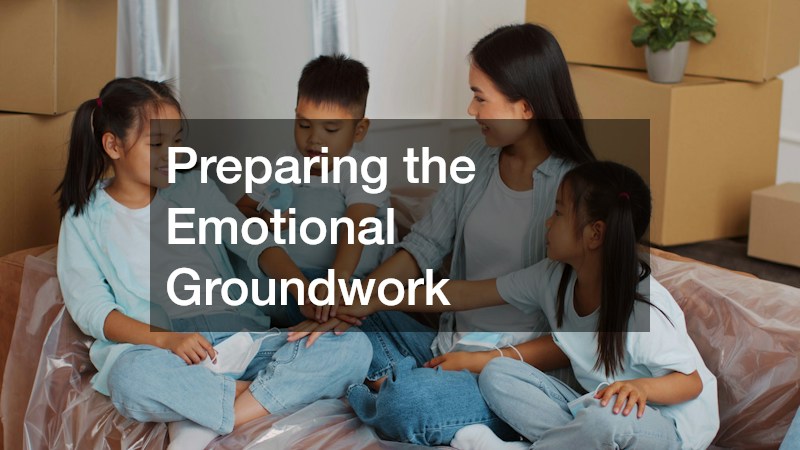
Children thrive on predictability, which makes the uncertainty of moving particularly unsettling. Establishing clear lines of communication well before packing begins helps soothe anxieties and builds trust.
Opening Transparent Channels of Communication
Begin discussing the relocation as soon as practical details are confirmed. Springing the news on children late in the process often triggers resistance and feelings of helplessness. Gather the family for a relaxed discussion, perhaps over a favorite meal, and state the facts simply and warmly. Avoid burying the reality under excessive cheerfulness, as children can sense forced optimism and may feel their doubts are dismissed.
Encourage every child to express their candid feelings, whether they are excited about a larger backyard or heartbroken about leaving a school soccer team. Acknowledge and validate their emotional reactions instead of rushing to fix them. Reassure them that feeling sad, angry, or anxious is completely natural. Emphasize that while the physical walls of your home will change, the daily traditions, love, and safety that define your family unit will remain entirely intact.
Involving Kids in Neighborhood Discovery
Familiarity reduces anxiety, so introduce your kids to the new neighborhood well before moving day. If distance permits, take a Saturday afternoon drive to explore your future community. Visit the local public library, tour the playground, and treat the kids to a scoop at the neighborhood ice cream shop. Walk past their future school so the building becomes a real, tangible destination rather than an intimidating mystery.
When relocating across state lines, lean into digital exploration. Use street-level map views to embark on virtual walks around the block. Research community youth programs, municipal swimming facilities, and nearby parks together on a laptop. Create a vibrant wish list of local attractions to visit once settled, allowing the unfamiliar location to become a canvas for exciting future memories.
Decluttering and Managing Belongings

Moving offers an unparalleled opportunity to streamline personal possessions, but purging childhood clutter requires delicate handling to prevent panic over disappearing toys.
Purging Belongings Without Causing Panic
Avoid sneaking into your children’s bedrooms to throw away forgotten toys while they are asleep or at school. Discovering that cherished items have vanished without consent can erode a child’s trust and escalate relocation anxieties. Instead, guide them through age-appropriate sorting sessions, framing the process around making space for their growing interests.
Introduce structured categories to keep the sorting process manageable:
- Items to keep and carry directly to the new room.
- Toys and outgrown clothes to donate to children in need.
- Broken objects and incomplete games destined for disposal.
If the cleanout yields worn-out appliances, broken patio furniture, or heavy debris that cannot be repurposed, bring in a professional junk removal company to haul away the unwanted weight swiftly. This keeps the home orderly and frees up your mental energy to focus on packing cherished heirlooms. For items that your family wants to keep long-term but lacks the immediate floor plan to house, look into reputable warehouse storage solutions to keep possessions protected while you reorganize.
Preserving Sentimental Attachments Respectfully
Children often attach profound emotional significance to items that adults view as clutter, such as pebble collections, kindergarten finger paintings, or worn plush animals. Dismissing these treasures as trash can be deeply upsetting. Designate a special memory box for each child, giving them full authority over what goes inside.
If space is strictly limited, take high-resolution photographs of large handmade projects, school dioramas, or oversized childhood keepsakes. Assemble these images into a personalized digital photo book that your child can flip through whenever nostalgia strikes. Treating their attachments with dignity teaches them that memories reside within our minds and hearts, not strictly within material objects.
Managing Home Maintenance and Essential Infrastructure

A functional house provides the underlying safety net your family needs during a chaotic transition. Addressing fundamental home systems before moving day shields children from cold nights, damp basements, or sudden disruptions.
Inspecting the Overhead Structure and Weatherproofing
Before your family moves their daily lives into a new property, you must confirm that the roof structure is sound and completely watertight. Water infiltration from early spring thaws or autumn downpours can disrupt your transition and introduce hazardous mold. Hiring an experienced roofer to conduct a thorough pre-move evaluation ensures damaged shingles, flashing flaws, and chimney caps are repaired immediately.
Taking care of these structural repairs early prevents emergency disruptions once your children are sleeping under the new roof. A sound exterior envelope protects the bedrooms below from intrusive weather and keeps indoor air quality clean, providing a safe and cozy environment where small children can settle peacefully.
Servicing Environmental Systems and Indoor Air Quality
Maintaining a comfortable, climate-controlled living space is essential when helping children adjust to a new setting. Sudden fluctuations in indoor temperature can ruin bedtime routines and trigger illness during an already exhausting week. Prior to move-in day, schedule an assessment of the existing HVAC system to verify that the furnace, air conditioning components, and duct pathways function safely.
Stocking up on essential hvac supplies such as high-efficiency particulate air filters, fresh thermostat batteries, and vent covers will help capture airborne allergens and construction dust. Setting a comfortable, consistent indoor temperature from day one gives young children a soothing environment that feels like a real home rather than a chilly, unfamiliar campsite.
Eliminating Subterranean Dampness and Moisture Threats
Basements in family homes often double as playrooms, storage facilities for seasonal gear, or extra recreation rooms. However, below-grade rooms are uniquely susceptible to hidden seepage, humidity, and musty odors that can cause health issues for sensitive children. Calling in a basement drying service allows you to dry out persistent dampness and seal foundation cracks properly.
If you encounter standing water or discover evidence of historical pipe leaks during your move-in walk-through, hire certified water damage services without delay. Remediating saturated structural materials protects indoor air quality and safeguards the lower levels of the house. Once the space is dry and sanitized, you can confidently turn it into an active playroom where kids can play board games and burn off excess energy safely.
Strategic Packing for Family Households

Packing an entire household requires systematic scheduling. Rushing through packing at the final hour creates unnecessary stress that children pick up on immediately.
Color-Coding and Organizing Room by Room
Pack methodically by room, establishing a color-coded identification system that even young children can comprehend without needing to read detailed box labels. Assign each room an individual shade of bright packing tape, such as blue for the nursery, yellow for the kitchen, and green for the primary playroom.
Adhere to these practical packing practices to maintain sanity:
- Clearly write the assigned room and general contents on the sides of every box, not just the top flap.
- Number every box and maintain a corresponding master inventory note on your smartphone.
- Pack heavier items like hardcovers in smaller cartons, reserving larger boxes for bedding and lightweight toys.
- Seal fragile household keepsakes with multiple wraps of protective bubble wrap and mark them with prominent warnings.
Labeling boxes clearly ensures that everyone knows where items belong on arrival. If you find that your new living quarters need floor refinishing or painting before furniture can be placed, rely on professional storage services to hold non-essential crates and furniture safely offsite until the living spaces are ready.
Preparing the Essential First-Night Survival Packs
A common moving mistake is packing away everyday essentials, leaving parents hunting through dozens of taped cartons at midnight for pajamas, phone chargers, or a favorite bedtime story. Every member of the household should have a personal travel bag packed with everything required for the initial forty-eight hours.
For children, this survival bag should include:
- Two complete changes of comfortable clothes and extra underwear.
- Daily medications, pediatric pain relievers, and a compact first-aid kit.
- Favorite pajamas, comfortable socks, and familiar bedtime blankets.
- Personal hygiene items, including toothbrushes, toothpaste, hairbrushes, and mild body wash.
- Core comfort items, such as a special security blanket, plush toy, or white-noise machine.
- Device charging cables, portable power banks, and tablet headphones.
Keep these essential bags inside your personal vehicle rather than handing them over to the moving crew. Knowing that these comfort items are within arm’s reach gives children a reassuring sense of control during transit.
Coordinating Moving Day Logistics
Moving day brings considerable commotion, with open doorways, heavy furniture in transit, and unfamiliar personnel walking through the home. Careful management keeps young children safe and emotionally grounded.
Ensuring Child Safety and Comfort on Moving Day
The easiest way to keep infants, toddlers, and young children safe during loading is to arrange offsite supervision. Ask grandparents, trusted family friends, or a regular babysitter to watch the kids away from the home for the afternoon. A fun outing to the zoo, a science museum, or an afternoon movie keeps children away from busy stairwells, heavy lifting, and open exterior doors.
If offsite care is not possible, establish a designated quiet zone inside the home. Pick a room that has already been emptied, set up a portable playpen or soft carpet rug, and stock it with board games, coloring books, audiobooks, and plenty of snacks. Assign one adult or an older sibling to oversee this space, ensuring that younger kids do not wander into loading paths or step outside unsupervised.
Working Efficiently With Professional Relocation Teams
Hiring dependable moving services can take immense physical strain off parents, freeing up your energy to focus on your children’s emotional needs. Before the team arrives, outline what needs to happen so the day runs smoothly.
Walk the lead mover through your home to point out delicate furnishings, marked priority cartons, and items that must remain behind for your personal vehicle. When vetting local moving companies, ask upfront about their experience with family households and clarify their policies regarding arrival windows, parking permits, and insurance protections. Clear communication with your crew keeps the work moving efficiently, helping you complete loading without unnecessary delays.
Settling In and Establishing New Routines
The work does not stop when the final carton is carried over the threshold. The transition period after moving requires intentional effort to help children feel settled and secure in their new surroundings.
Prioritizing the Children’s Living Quarters
Resist the urge to unpack the kitchen or your home office first. Your immediate priority upon entering the new house should be assembling the children’s beds and arranging their personal bedrooms. Having their familiar beds made with clean, comforting sheets gives them an anchor in an unfamiliar space.
Set up familiar furniture, unpack their favorite books on the shelves, and arrange plush animals on the pillows before bedtime arrives. Surrounding young children with familiar smells, sights, and textures helps them fall asleep easily on their first night in the new home, warding off nighttime fears and disorientation.
Re-establishing Household Rhythms and Meal Routines
Children draw comfort from consistent daily routines, which are easily disrupted during a major move. Strive to reinstate your family’s normal schedule as quickly as possible. Keep wake-up times, afternoon snack routines, bath times, and bedtime stories aligned with your previous habits.
Avoid relying on fast-food takeout balanced on cardboard boxes for too many consecutive evenings. Unpack the kitchen cookware early so you can prepare familiar, comforting home-cooked meals. Sitting down together at a set dining table, even while surrounded by unpacked crates, reinforces the comforting truth that family life remains steady and secure.
Fostering Connections Within the Community
Once the essential living spaces are organized, shift your focus to helping your family put down roots in the new neighborhood:
- Walk the block regularly during afternoon hours to introduce yourself to nearby neighbors and families with children of similar ages.
- Register for community library cards, attend weekend story hours, and join neighborhood recreation centers or sports teams.
- Schedule a casual meet-and-greet with your child’s new classroom teacher before their first official school day.
- Host a simple, low-pressure pizza evening or backyard gathering to help your kids bond with their new classmates.
Connecting with peers quickly helps children replace the sadness of leaving old friends with the excitement of building new relationships, cementing their sense of belonging in their new home.
Moving Forward as a Unified Family
Relocating a household with children requires careful planning, hard work, and emotional resilience. While the logistics of packing, hiring professionals, and organizing house repairs demand significant energy, the emotional support you provide your children throughout the journey is what truly shapes their experience. By communicating clearly, respecting their feelings, and involving them in practical ways, you show them that change is an exciting opportunity rather than something to fear.
Every unpacked box and newly painted wall brings your household one step closer to feeling settled. Give your family grace during the inevitable moments of exhaustion, celebrate small daily victories, and remember that a physical structure only becomes a true home through the shared love, laughter, and daily traditions that your family brings through the front door. With thoughtful preparation and consistent routines, your family will not only survive the move, but step into your new life stronger, closer, and ready for the next adventure together.