
Special moments often become lasting memories because of the people involved, the experiences shared, and the personal details that make an occasion meaningful. Whether you are celebrating an engagement, hosting a family gathering, preparing for a move, or welcoming guests into your home, thoughtful planning can help you enjoy the experience without becoming distracted by last-minute responsibilities.
Creating a memorable occasion does not require an elaborate event or an unlimited budget. It involves identifying what matters most, organizing practical arrangements, and making decisions that reflect the people being celebrated. From choosing meaningful gifts to preparing a comfortable space, small details can contribute to a more enjoyable experience.
Planning also helps families manage important transitions. Coordinating transportation, arranging pet care, and preparing a home can make celebrations and everyday milestones easier to navigate. With a clear plan, you can focus on the people and experiences that make each occasion special.
Choose a Celebration Theme That Reflects the Occasion
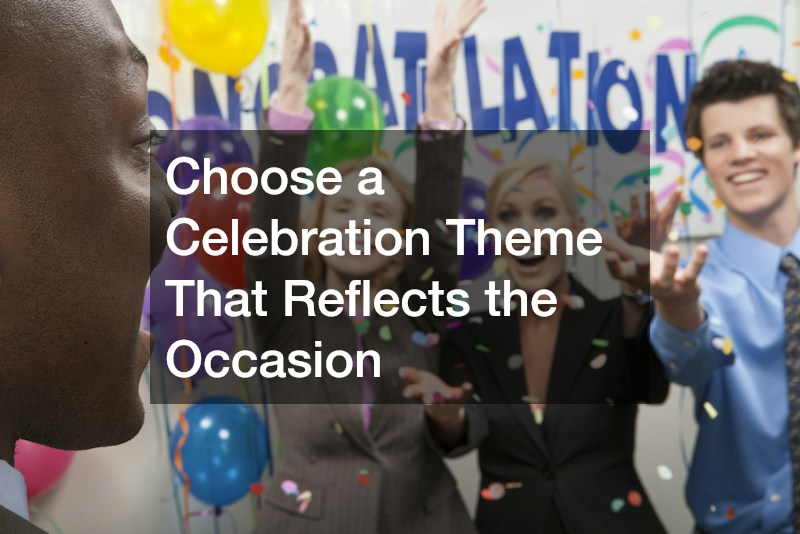
A thoughtful theme gives a celebration direction and helps you make decisions about decorations, refreshments, activities, and invitations. Start by considering the reason for the gathering and the interests of the people involved. A milestone birthday might reflect someone’s favorite hobby, while an anniversary could incorporate meaningful memories from the couple’s relationship.
Your theme does not need to dictate every detail. Instead, use it as a guide for creating a consistent atmosphere without making the event feel overly coordinated. When planning refreshments, consider the preferences of your guests and provide choices that suit different needs. For example, daiquiri mixes can be part of a beverage station, alongside nonalcoholic options and other refreshments.
To keep the planning manageable:
- Choose one central theme or idea.
- Select decorations that complement the setting.
- Consider the guest list when planning food and drinks.
- Avoid activities that do not contribute to the occasion.
A clear theme can make decisions easier while keeping the celebration personal and welcoming.
Add Personal Details That Make Milestones Meaningful
Personal gifts can make important milestones feel distinctive because they reflect the recipient’s interests and the relationship you share. Rather than choosing something simply because it is popular, consider what the person enjoys, values, or has mentioned wanting. A thoughtful gift can become a keepsake that reminds them of the occasion long after the celebration ends.
For engagements or anniversaries, a custom ring may offer an opportunity to incorporate personal preferences into a meaningful piece of jewelry. Consider the recipient’s preferred style, materials, and design details. If engraving is part of the plan, allow time to discuss wording and placement. It can also be helpful to confirm sizing discreetly before ordering.
Other meaningful gift ideas include:
- A handwritten letter describing a shared memory
- A photo collection from important moments
- A family heirloom with personal significance
- A keepsake connected to a favorite activity
Personalization works best when it reflects the recipient rather than the expectations of the occasion. A simple, carefully chosen gift can feel more meaningful than an expensive item without a personal connection.
Coordinate Clothing and Appearance Ahead of the Event
Clothing can contribute to the atmosphere of a formal celebration, but planning ahead helps prevent unnecessary stress. If an event requires formal attire, communicate the dress expectations clearly when sending invitations. Guests should understand the level of formality without feeling pressured to purchase clothing they may not use again.
For weddings, galas, and other formal occasions, a tuxedo rental may be a practical option. Arrange fittings early and confirm what the rental includes, such as shirts, shoes, accessories, and alterations. Ask about pickup and return dates so the clothing is ready when needed.
When coordinating event attire:
- Share the dress code with guests in advance.
- Schedule fittings with enough time for adjustments.
- Confirm accessories and footwear.
- Check the complete outfit before the event.
- Consider comfort and weather conditions.
Hosts should also think about children and guests who may need additional comfort or mobility accommodations. Coordinating appearance does not mean everyone must wear identical clothing. A consistent color palette or general dress guideline can create a polished look while allowing guests to express their individual style.
Prepare Your Home and Surroundings for Special Gatherings
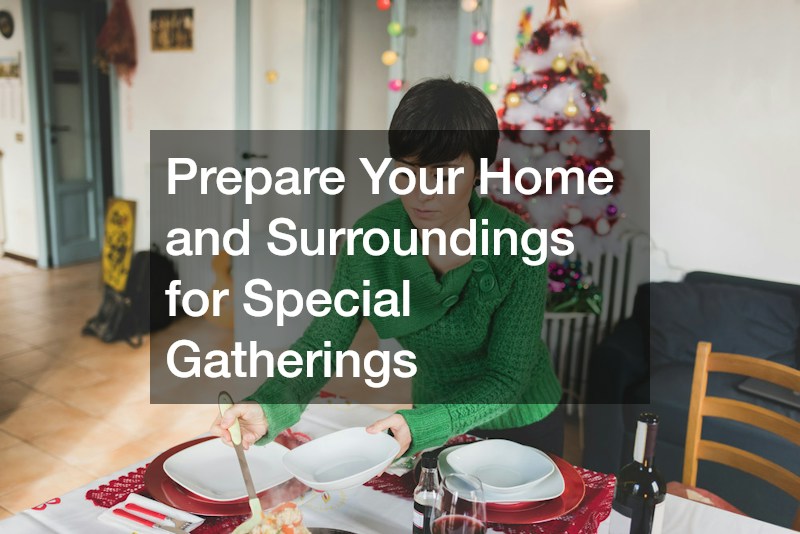
A welcoming home can help guests feel comfortable and make hosting more enjoyable. Before an event, walk through the space as if you were arriving for the first time. Consider whether guests can find the entrance easily, move between rooms comfortably, and access seating, bathrooms, and refreshments without difficulty.
Home improvements may also be worth considering when they address visible maintenance concerns or improve everyday functionality. For example, residential doors can affect a home’s appearance, privacy, and ease of access. If a door needs repair or replacement, plan the work well before the event so there is time to address unexpected issues.
Focus on practical improvements rather than attempting a complete renovation for one gathering. Helpful preparations include:
- Cleaning entryways and frequently used rooms
- Checking lighting and addressing minor repairs
- Arranging seating to encourage conversation
- Clearing pathways for guests
- Preparing outdoor areas when applicable
If contractors or deliveries are involved, confirm schedules and access arrangements in advance. Completing disruptive work early allows you to focus on welcoming guests instead of managing unfinished projects.
Select Furniture and Décor That Support Comfort and Style
Furniture can influence how a home feels during celebrations and how well it functions afterward. When choosing pieces, consider the room’s dimensions, existing décor, and the activities that will take place there. A gathering may require additional seating, while a family milestone could be an opportunity to improve a frequently used living space.
Amish furniture may appeal to homeowners who appreciate traditional designs and distinctive woodworking. Before purchasing, review the available styles, finishes, dimensions, and construction details. Ask about delivery arrangements and whether the furniture requires special care.
A few practical considerations can help you make a suitable choice:
- Measure the room and entryways before ordering.
- Consider how many people will use the space.
- Choose furniture that supports everyday household needs.
- Leave enough room for comfortable movement.
- Coordinate new pieces with existing furnishings.
Avoid overcrowding a room with decorations or furniture simply to make it look more formal. A comfortable arrangement encourages conversation and allows guests to enjoy the occasion. Choose pieces that remain useful after the celebration, making the purchase a lasting improvement rather than a temporary event expense.
Organize Major Life Changes With a Clear Moving Plan
Moving into a new home can mark an exciting chapter for individuals and families. However, packing, transportation, and coordinating schedules can take attention away from the milestone itself. Creating a moving plan helps you organize responsibilities and make the transition more manageable.
If you hire moving services, compare estimates and review what each company includes. Ask about packing assistance, transportation, handling of large items, scheduling, and any additional charges. Confirm the arrangements in writing and communicate special instructions about fragile or valuable belongings.
A practical moving timeline should include:
- Sorting and packing belongings by room
- Labeling boxes with contents and destination
- Setting aside essential items for the first day
- Confirming arrival times and access to the property
- Keeping important documents readily available
After arriving, prioritize setting up the rooms you need most, such as the kitchen, bedroom, and bathroom. You do not need to unpack everything immediately. A simple family meal or familiar activity can help make the new space feel welcoming while you continue organizing.
Make Travel and Guest Transportation Convenient

Transportation arrangements can affect how smoothly a celebration begins and ends. When choosing a venue, consider how guests will reach it, whether parking is available, and how far they may need to travel. Clear directions and arrival information can reduce confusion, especially for people unfamiliar with the area.
A car service may be useful for formal occasions, airport transfers, or gatherings where guests prefer not to drive. If you arrange transportation, confirm pickup locations, timing, passenger capacity, and any special requirements. Share the details with guests before the event so they can plan accordingly.
Consider these transportation planning steps:
- Provide the complete venue address.
- Identify parking and drop-off locations.
- Confirm transportation reservations in advance.
- Allow extra time for traffic or delays.
- Arrange accessible transportation when needed.
For larger gatherings, consider whether guests can share rides or use a designated pickup point. Keep a backup plan in case a reservation changes or someone needs assistance. Reliable transportation can help guests arrive comfortably and allow hosts to focus on the celebration rather than coordinating arrivals throughout the event.
Arrange Responsible Care for Pets During Events
Pets are part of many households, so their needs should be included when planning celebrations, travel, or extended outings. Some animals may enjoy attending a suitable gathering, while others may feel uncomfortable around unfamiliar people, loud sounds, or busy environments. Consider your pet’s temperament before deciding whether to bring them along.
If your plans require your dog to stay elsewhere, research a dog boarding service well in advance. Ask about supervision, feeding routines, exercise, sleeping arrangements, and procedures for emergencies. Review any vaccination or documentation requirements and find out whether the facility offers an introductory visit.
Before arranging care:
- Confirm availability for your travel dates.
- Share feeding and medication instructions.
- Provide emergency contact information.
- Pack familiar food and comfort items.
- Confirm drop-off and pickup times.
If possible, allow your dog to become familiar with the facility before an extended stay. Clear instructions help caregivers maintain your pet’s routine. Planning pet care early also gives you time to ask questions and choose an arrangement that fits your dog’s needs.
Personalize Home Projects and Keepsakes for Lasting Memories
A meaningful home project can become part of a family’s story, especially when it involves an item connected to a special occasion. Restoring a treasured object, updating a decorative feature, or preparing a personalized space can create a lasting reminder of a milestone.
For certain restoration projects, mobile sandblasting may be an option for preparing suitable surfaces. Before arranging the service, ask whether the material and item are appropriate for the process. Discuss how surrounding areas will be protected and whether additional cleaning, painting, or refinishing will be needed afterward.
When planning a restoration:
- Identify the item’s material and current condition.
- Explain the purpose of the project.
- Ask about preparation methods and limitations.
- Confirm the work location and schedule.
- Coordinate any additional finishing steps.
Consider documenting the item’s history with photographs or a short written note. This can help preserve the personal significance of the project for future family members. The goal is not simply to improve an object’s appearance, but to maintain a connection to the memories associated with it.
Consider Guests’ Preferences When Planning the Final Details

Thoughtful hosts consider the comfort and preferences of their guests while keeping the event’s purpose in focus. Think about refreshments, activities, seating, and whether guests may need a quiet space. You do not need to accommodate every possible preference, but providing a few appropriate choices can make the gathering more welcoming.
If adult guests have particular lifestyle preferences, a smoke shop may offer specialty products for those who legally use them. Such products should remain optional and be handled in accordance with venue rules and applicable regulations. Consider other guests’ comfort and avoid placing smoking-related activities near family spaces or areas where people may be exposed unintentionally.
Before the event, review these details:
- Confirm the guest count and schedule.
- Check food and beverage arrangements.
- Communicate venue rules where relevant.
- Prepare seating and accessible pathways.
- Have a backup plan for weather or changes.
The final stage of planning should focus on reducing uncertainty. Once the important arrangements are confirmed, allow yourself time to enjoy the occasion and connect with the people who made it meaningful.
Memorable occasions are created through thoughtful choices, meaningful connections, and attention to the details that matter most. Planning a theme, selecting personal gifts, preparing a comfortable home, and coordinating practical arrangements can help celebrations feel more organized and enjoyable. These same habits can also make major life transitions easier to manage.
A celebration does not need to be elaborate to leave a lasting impression. Often, the most meaningful moments come from shared experiences, familiar traditions, and small gestures that show consideration. With a clear plan and a personal touch, you can create occasions that feel genuine and remain special long after the day has passed.