
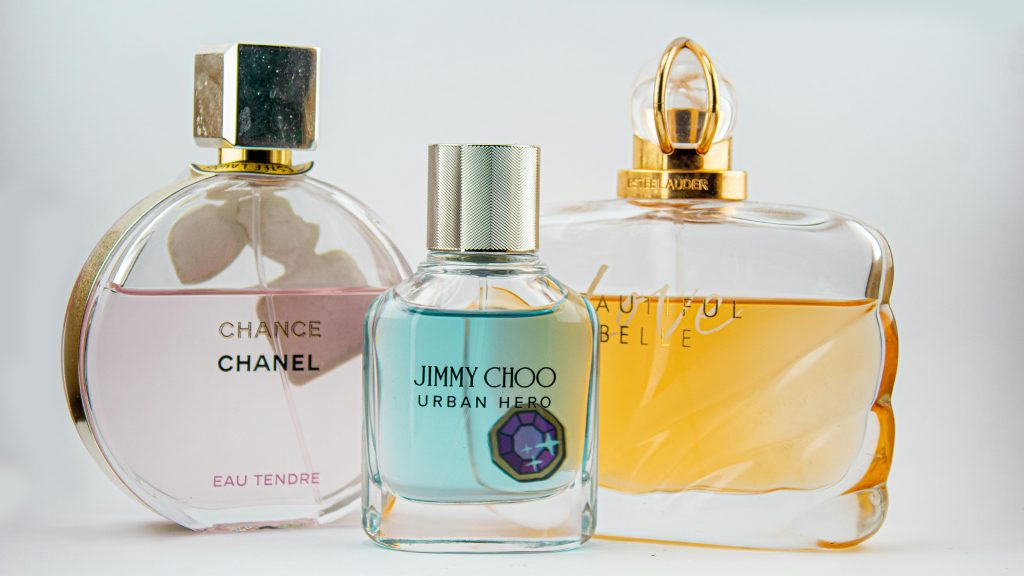
Have you ever picked up a perfume bottle, looked at the price tag, and wondered, Why is perfume so expensive? Some fragrances cost over $100 — and luxury niche brands can cost several hundred dollars per bottle.
It’s just scented liquid, right?
Not exactly.
Perfume is a carefully crafted product made from rare ingredients, complex formulas, detailed design, and extensive marketing. When you buy a fragrance, you are not only paying for the scent inside the bottle. You are paying for artistry, science, branding, packaging, and more.
In this guide, we’ll break down what really makes perfume expensive so you can understand where your money goes — and decide if it’s worth it.
The Cost of Raw Ingredients
One of the biggest reasons perfume is expensive is the cost of ingredients.
High-quality perfumes often use natural materials that are rare, difficult to harvest, and time-consuming to produce.
Some examples include:
- Rose absolute – It can take thousands of rose petals to produce a small amount of oil.
- Jasmine absolute – Harvested by hand, often at night, when the scent is strongest.
- Oud (agarwood) – One of the most expensive perfume ingredients in the world.
- Sandalwood – Requires years of tree growth before harvesting.
- Ambergris – A rare substance historically used in luxury perfumes.
Natural ingredients require farming, harvesting, extraction, and processing. This labor-intensive process increases production costs.
Even synthetic ingredients can be expensive if they are developed in specialized labs.
The Art and Science of Perfume Creation
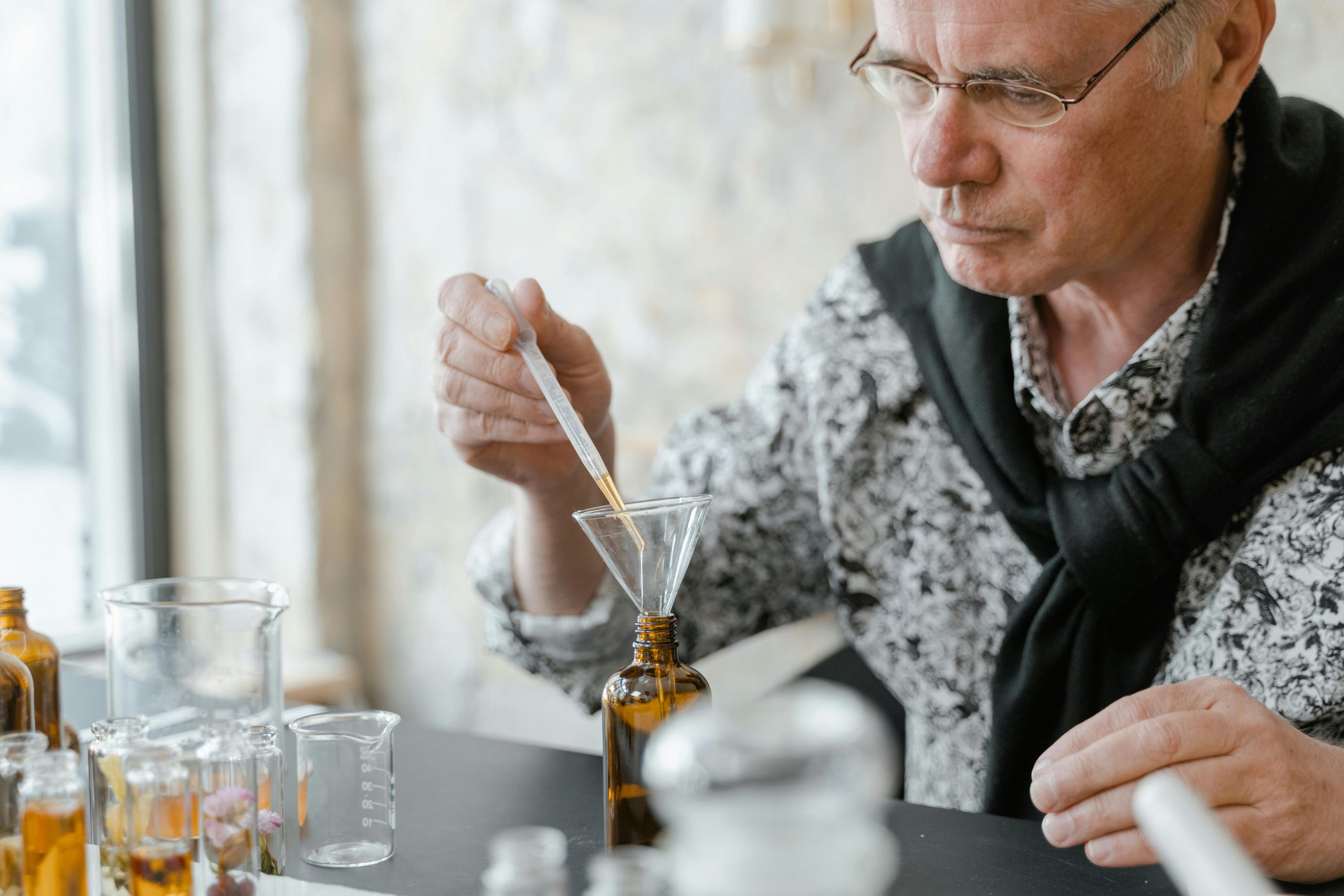
Perfume is not mixed randomly. It is carefully composed by trained experts called perfumers, often referred to as “noses.”
Creating a fragrance involves:
- Years of training
- Deep knowledge of ingredients
- Careful testing and blending
- Dozens or even hundreds of trials
A single fragrance can take months or even years to perfect.
Perfumers must balance top notes, middle notes, and base notes to ensure the scent develops beautifully over time.
This level of craftsmanship adds to the final price.
Concentration Matters
Not all perfumes are created equally. The concentration of fragrance oil directly affects price.
Understanding eau de toilette vs parfum helps explain cost differences.
- Parfum (Extrait de Parfum) contains 20–40% fragrance oil.
- Eau de Toilette (EDT) contains 5–15% fragrance oil.
Higher concentration means:
- More perfume oil
- Longer-lasting scent
- Richer depth
- Higher production cost
Since perfume oil is the most expensive part of the formula, higher concentrations increase the price.
This is why parfum is typically more expensive than eau de toilette.
Packaging and Bottle Design
Perfume packaging plays a major role in cost.
Luxury brands invest heavily in:
- Custom glass bottles
- Heavy caps and metal accents
- Unique shapes and designs
- Decorative boxes
- Protective inserts
Some bottles are designed by famous artists or fashion designers.
The packaging must not only look beautiful but also protect the fragrance from light and air exposure.
High-end presentation adds to the overall price.
Branding and Marketing Costs
Perfume marketing is expensive.
Think about:
- Celebrity endorsements
- Fashion magazine ads
- TV commercials
- Social media campaigns
- Launch events
- Influencer partnerships
Major fashion houses spend millions promoting a single fragrance.
When you buy perfume, part of the price covers these marketing expenses.
Luxury brands also invest in building a certain image. You are not just buying a scent — you are buying into a lifestyle and brand identity.
Retail Markup
Retail stores also add markups to cover:
- Store rent
- Staff salaries
- Distribution
- Inventory management
Department stores and boutiques often increase prices to maintain profit margins.
Online retailers may offer discounts because they have fewer overhead costs.
Understanding retail markup helps explain why the same perfume may cost less during sales or promotions.
Research and Development
Before a perfume reaches store shelves, it goes through extensive research and testing.
This process includes:
- Ingredient safety testing
- Stability testing
- Skin compatibility trials
- Regulatory approval
- Packaging durability testing
These steps ensure the product is safe and consistent.
Research and development costs are built into the final price.
Limited Editions and Exclusivity
Some perfumes are expensive because they are rare.
Limited-edition fragrances may:
- Use rare materials
- Be produced in small batches
- Feature exclusive packaging
- Be available only in select boutiques
Exclusivity increases demand and allows brands to charge higher prices.
Niche fragrance houses often focus on small production runs, which increases cost per bottle.
Natural vs Synthetic Ingredients
Many people assume natural ingredients are always better. However, both natural and synthetic ingredients can be expensive.
Natural ingredients:
- Require farming and harvesting
- May vary in quality due to climate
- Can be rare and hard to source
Synthetic ingredients:
- Require lab development
- May be patented
- Can take years of research
Sometimes synthetic ingredients are created to replace endangered natural materials. This research process can also increase cost.
Longevity and Performance
Higher-quality perfumes often last longer on the skin.
Long-lasting fragrance means:
- Fewer reapplications
- Stronger scent projection
- Better overall value
While cheaper perfumes may cost less upfront, they may fade quickly, requiring more frequent use.
Longevity often justifies higher pricing for many buyers.
The Role of Luxury Fashion Houses
Many perfumes are created by fashion brands known for clothing and accessories.
When you purchase a fragrance from a luxury brand, you are also paying for:
- Brand reputation
- Heritage and history
- Design consistency
- Status symbol value
Luxury branding adds emotional value, which influences pricing.
Is Expensive Perfume Worth It?
The answer depends on personal preference and budget.
Expensive perfume may be worth it if you value:
- Long-lasting performance
- Unique scent profiles
- Premium packaging
- Brand prestige
- Rare ingredients
However, affordable perfumes can also smell beautiful and perform well.
Price does not always guarantee better scent. It often reflects ingredients, concentration, branding, and exclusivity.
How to Get the Best Value
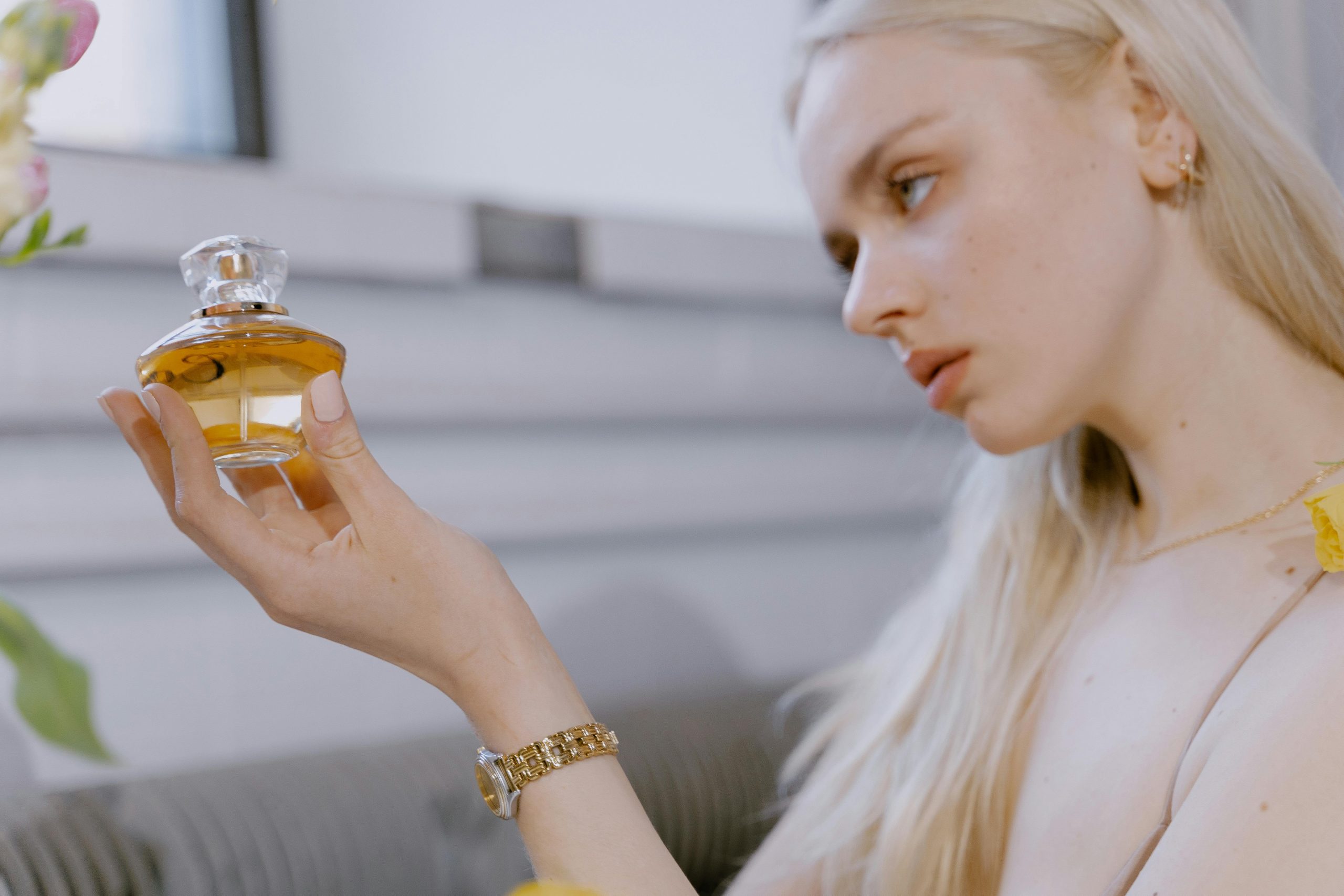
If you love fragrance but want to spend wisely, you don’t have to give up quality. Smart shopping habits can help you enjoy luxury scents without overspending. The key is to focus on performance, versatility, and timing rather than just the brand name.
Consider these practical tips:
- Test before buying: Always test a fragrance on your skin, not just on a paper strip. Your body chemistry affects how a scent develops and how long it lasts. Wear it for a full day if possible to see how it performs before committing to a full bottle.
- Compare eau de toilette and parfum versions: The same fragrance may be available in different concentrations. Parfum lasts longer but costs more upfront. Eau de toilette is lighter and usually more affordable. Compare longevity and price per ounce to decide which offers better value for your lifestyle.
- Look for seasonal sales: Major retailers often offer discounts during holidays, end-of-season events, or promotional periods. Signing up for store newsletters can alert you to special deals.
- Buy smaller bottle sizes: If you rotate fragrances, a smaller bottle prevents waste and saves money. Perfume can lose strength over time, so finishing it before it expires adds value.
- Explore niche brands carefully: Niche fragrances can be unique and high-quality, but prices vary widely. Research reviews and sample first to avoid expensive blind buys.
- Consider fragrance layering: Layering lighter scents with matching lotions or oils can extend wear, helping you use less product overall.
You can also purchase travel sizes before committing to a full bottle. Sampling first reduces the risk of spending money on a scent you may not truly love long term.
The Emotional Value of Perfume
Perfume is not just a product — it is an experience.
Fragrance can:
- Trigger memories
- Boost confidence
- Enhance mood
- Create identity
People often associate scents with special moments like weddings, vacations, or milestones.
This emotional connection adds value beyond the physical ingredients.
Final Thoughts: Why Is Perfume So Expensive?
So, why is perfume so expensive?
Because it is more than scented liquid.
You are paying for:
- Rare and high-quality ingredients
- Skilled craftsmanship
- Research and safety testing
- Beautiful packaging
- Brand identity
- Marketing campaigns
- Retail distribution
Luxury perfumes combine science, art, and storytelling in one bottle.
Whether you choose an affordable fragrance or a high-end parfum, the right scent should make you feel confident and comfortable.
Understanding what goes into the cost helps you make informed decisions — and appreciate the craftsmanship behind your favorite fragrance.
At the end of the day, the true value of perfume lies in how it makes you feel every time you wear it.