A child’s first dental visit plays an important role in establishing healthy oral habits, building comfort with dental care, and supporting long-term smile development.
When Should Your Child First Visit the Dentist?
Understanding the Right Age
The American Dental Association recommends a child’s first dentist visit by their first birthday. Early visits help parents learn proper oral hygiene for infants and reduce anxiety by familiarizing children with the dental environment.
Signs Your Child is Ready
Signs like teething indicate readiness for dental check-ups. Showing curiosity about brushing and handling new experiences well are also indicators. Regular observation of these signs can help in planning the first visit to the dentist at an appropriate time.
The Importance of Early Visits
Early visits establish a foundation for healthy oral practices, allow early detection of issues, and build a positive dentist-child rapport. Such visits can also help children develop a routine that includes consistent dental care as they grow.
Common Myths Debunked
Baby teeth are vital for maintaining space for permanent teeth and speech development. Regular dental visits are important for detecting cavities and confirming oral growth is normal. Contrary to some beliefs, caring for baby teeth is crucial for long-term oral health.
Consultation and Scheduling
Schedule your child’s first dental visit for mid-morning when they’re most cooperative. Prepare questions about your child’s dental health in advance. Don’t forget to inquire about dietary advice that can promote healthy teeth.
How to Prepare Your Child for the Dentist?
Explaining the Visit
Explain the dentist’s role in keeping their teeth healthy using simple language to ease anxiety. Describe the environment and assure them that the visit is a safe and fun experience.
Role-Playing at Home
Use role-playing to simulate a dental visit, practicing sitting still and opening their mouth on command. The more familiar the procedure seems, the less anxious the child is likely to feel.
Reading Books and Videos
Use educational books and videos to illustrate dental visits positively. Libraries and online platforms offer tailored materials. Engage your child with stories that feature their favorite characters visiting the dentist, making the experience relatable.
Visit Preparations
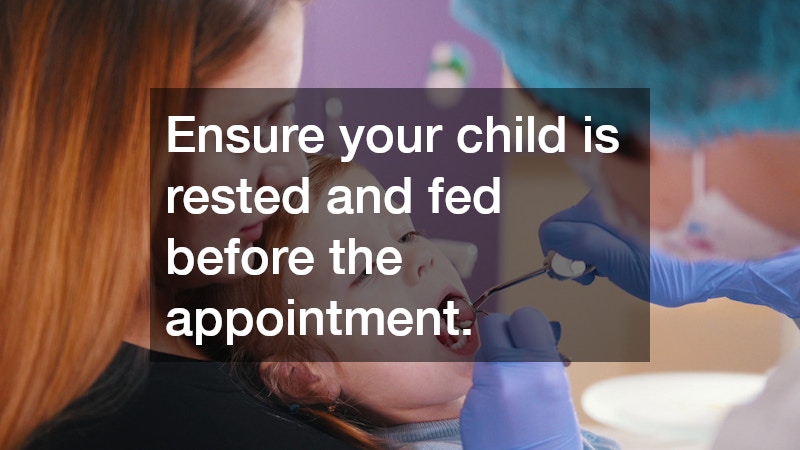
Ensure your child is rested and fed before the appointment. Arrive early and bring a comfort item to soothe anxieties. Preparing in advance can make the experience more enjoyable and less stressful for both you and your child.
Packing the Essentials
Bring dental records, a list of medications, healthy snacks, and a comforting toy for the visit.
What to Expect During the First Visit?
The Initial Examination
The dentist examines your child’s mouth and may clean their teeth and apply fluoride treatment.
Introduction to the Dental Environment
Introduce the child to dental instruments and allow them to explore the room to ease nervousness.
Meeting the Dental Team
The dental team helps build trust. A positive first visit sets the tone for future appointments.
Discussion of Dental History
Discuss your child’s health history and oral hygiene routine with the dentist to tailor advice.
Setting up Future Visits
Schedule regular check-ups every six months to monitor and maintain your child’s dental health.
How to Handle Fear and Anxiety?
Identifying Sources of Fear
Understand your child’s specific fears to address them effectively.
Calming Techniques
Teach deep breathing exercises and play gentle music to soothe anxiety.
Positive Reinforcement
Reward bravery with praise and small rewards to encourage positive behavior.
Choosing the Right Dentist
Seek recommendations and find a dentist experienced with children to ensure a welcoming environment.
Parental Support and Encouragement
Model enthusiasm and encourage your child to express fears, offering reassurance and solutions.
Importance of Establishing Good Oral Hygiene Habits
Starting Early with Oral Care
Begin oral hygiene early, wiping gums after feeding and gradually introducing a toothbrush.
Brushing Techniques for Kids
Teach angling the toothbrush towards gums and brushing in circular motions twice a day.
Role of Diet in Oral Health
Encourage a balanced diet with limited sugary snacks and emphasize fruits, vegetables, and calcium-rich foods.
Regular Dental Appointments
Ensure routine visits for professional cleanings and to reinforce dental care habits.
Parental Role in Oral Hygiene
Show good brushing habits and support your child in developing a daily dental routine.
Start dental visits early to build a positive dentist-child relationship and establish healthy oral hygiene practices. A proactive approach ensures a bright smile for years to come.